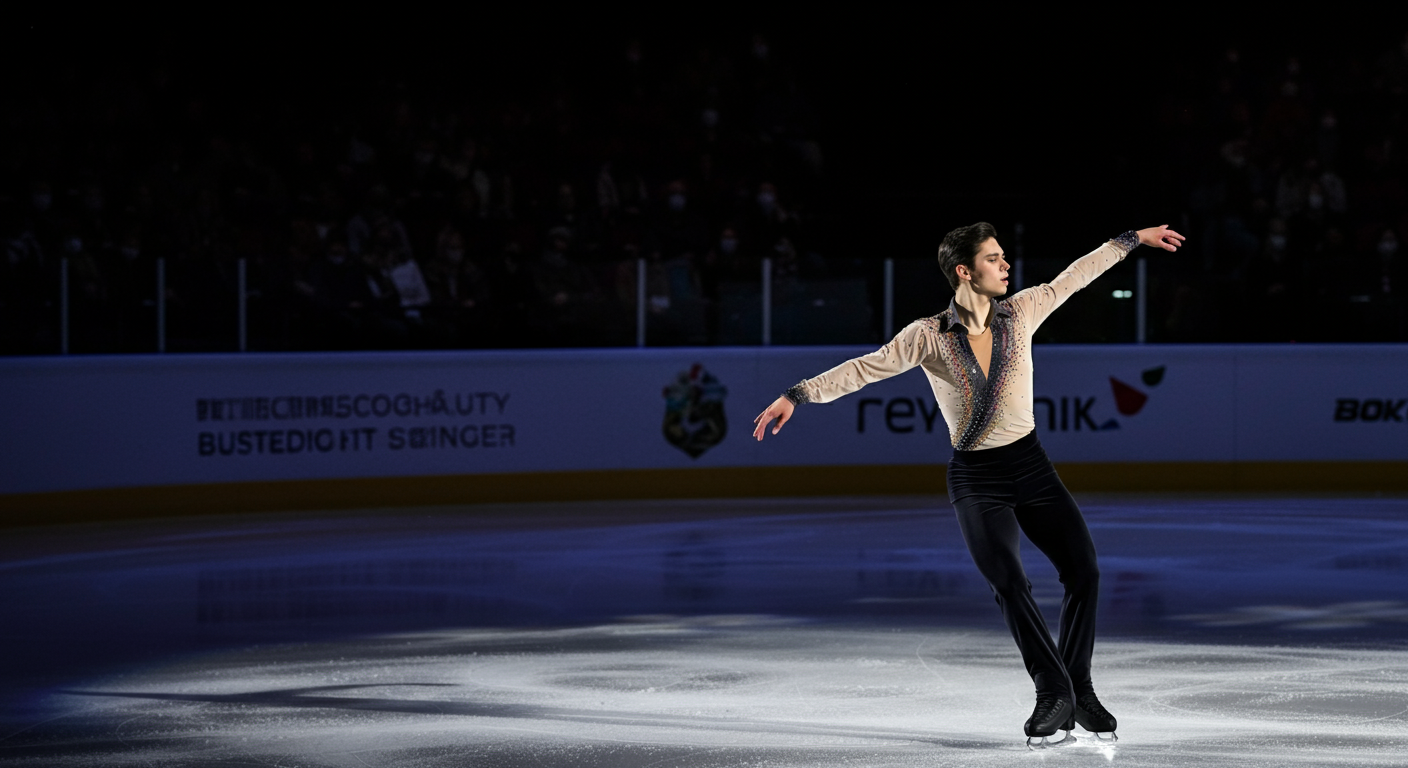
The grand finale of figure skating with the Gala on 21 February 2026 serves as the definitive transition from rigid athletic measurement to long-term commercial brand building. By stripping away the constraints of the International Judging System (IJS), the event allows skaters to pivot from technical specialists to global entertainment icons, securing their post-Olympic market value through narrative artistry.
From Competition to Spectacle: The Gala as a Brand Catalyst
The exhibition format in Milano-Cortina 2026 operates as a strategic bridge between elite athleticism and the multi-billion-dollar global entertainment industry. While the competitive segments are defined by gravity-defying quads and clinical precision, the gala removes these technical shackles, allowing athletes to demonstrate the “absolute excellence” of the sport in a single evening. This transition is vital for the sport’s survival in a crowded media landscape where viewers demand personality as much as performance.
The Commercialization of Excellence
The 2026 Gala lineup represents the pinnacle of modern figure skating by prioritizing the “showman” persona. Athletes who excel in this format often find their market value skyrocketing, as the gala acts as a live audition for professional ice shows and global sponsorships. By featuring legends like Carolina Kostner alongside current medalists, the event creates a continuity of stardom that transcends a single Olympic cycle.
The Shift in Audience Engagement
Traditional competitions often alienate casual viewers with complex scoring nuances. The gala solves this by focusing on visual storytelling and popular music, which are more digestible for a global audience. This shift from “judged sport” to “curated spectacle” ensures that the sport remains relevant to younger demographics who consume content through highlights and viral moments rather than full-length technical broadcasts.
Decoding the 2026 Narrative: The Shift Toward Narrative Artistry
The 2026 cycle marks a significant departure from the “quad-at-all-costs” era, moving instead toward a focus on emotional resonance and personal storytelling. Skaters are increasingly using the gala to address the psychological toll of elite competition, turning their vulnerabilities into a marketable asset. This evolution reflects a broader cultural trend where audiences value authenticity and mental resilience over robotic perfection.
The Humanization of the Athlete
A prime example of this shift is how Ilia Malinin writes about ‘inevitable crash’ scenarios following the immense pressure of the Olympic stage. By using the gala to express these “invisible battles,” athletes build a deeper connection with the public. This vulnerability is not a sign of weakness but a calculated move to enhance their relatability and “narrative artistry,” which are key drivers of athlete longevity in the modern era.
Artistry as a Technical Counterweight
While the competitive programs are often criticized for being overly technical, the gala provides a space for “fighting invisible battles” through movement. As Malinin talks of ‘fighting invisible battles’, the 2026 Gala serves as the stage where these internal struggles are choreographed into art. This focus on narrative allows skaters to maintain their status as “artists” even when their technical peak begins to wane.
“The video ends with the message ’21 February 2026′, the date of the exhibition gala that traditionally concludes the Olympic figure skating… highlighting the shift from the ‘Quad God’ persona to a more nuanced, human narrative.”
The Trend Radar Analysis: Evaluating the Post-Olympic Market Value
The market value of a figure skater is no longer determined solely by the color of their medal. The 2026 Gala highlights a growing trend where the “entertainment ROI” of a skater often outweighs their technical ranking. Investors and sponsors now look for athletes who can command an audience without the safety net of a competitive structure, making the gala the most important business meeting of the Olympic Games.
Monetizing the “Artist” Persona
The disparity between competitive success and commercial success is often highlighted by events like the Olympic 2026 judging scandal, which can tarnish the reputation of the competitive segment. In contrast, the gala remains untainted by judging controversies, offering a “pure” brand environment. This makes it a safer and more lucrative space for luxury brands and global partners to align their image with the athletes.
The Future of Professional Skating
The 2026 Gala serves as a blueprint for the future of the sport, where the line between “amateur” and “professional” continues to blur. As the technical ceiling of the sport reaches its physical limits, the only remaining frontier for growth is artistry. The following table illustrates the strategic shift in value metrics between the competitive events and the 2026 Exhibition Gala.
The evolution seen in 2026 confirms that while medals win history books, artistry wins the market. The gala is the definitive proof that the future of figure skating lies in its ability to transform from a niche sport into a premiere global entertainment product.
Frequently Asked Questions
How does the 2026 Figure Skating Gala differ from the standard Olympic competition?
Unlike the competitive segments, the Gala focuses entirely on entertainment and creative expression without the pressure of technical scoring. We observe that skaters use this platform to experiment with theatrical props, immersive lighting, and vocal music that are often restricted in short or free programs.
What role does modern technology play in the evolution of gala artistry?
For the 2026 season, we are seeing a significant shift toward immersive experiences, including projection mapping on the ice and synchronized LED costumes. These advancements allow skaters to tell more complex stories that bridge the gap between traditional sport and high-end performance art.
Are skaters required to perform specific jumps or elements during the exhibition?
No, there are no mandatory technical requirements or point systems for the Gala. We find that this freedom allows athletes to focus on emotional connection and audience engagement, often performing creative moves like backflips that are prohibited in official competition.
How has the criteria for selecting Gala participants evolved for 2026?
While medalists are traditionally invited, we have seen an increasing trend of inviting “fan favorites” who demonstrate exceptional artistic flair regardless of their final ranking. This shift ensures the Gala remains a celebration of the sport’s diversity and the creative evolution of the athletes.
Why is the 2026 Gala considered a turning point for figure skating choreography?
We believe 2026 marks a shift toward more contemporary and abstract movement styles that move away from strictly classical ballet influences. By incorporating street dance and modern theatrical techniques, skaters are redefining what artistic excellence looks like on the ice.
Conclusion
We believe the 2026 Figure Skating Gala serves as a vital bridge between technical mastery and pure artistic expression, offering athletes a space to heal from the intense pressures of competition. Despite the controversies and personal setbacks faced by stars during the Games, we view this exhibition as the ultimate celebration of the sport’s evolving spirit and resilience.
References
- Olympics.com — Information regarding the grand finale of figure skating and the Gala event on 21 February 2026.
- Olympics.com — An analysis of why the 2026 exhibition lineup represents the pinnacle of figure skating artistry.
- <a href="https://www.theguardian.com/sport/2026/feb/16/ilia-malinin-figure-skating-winter-olympics
Report Inaccuracy
We value accuracy. If you find any inaccurate information, please let us know.