The Winn Effect: How Ironic Patriotism Scaled Women’s Hockey Fandom
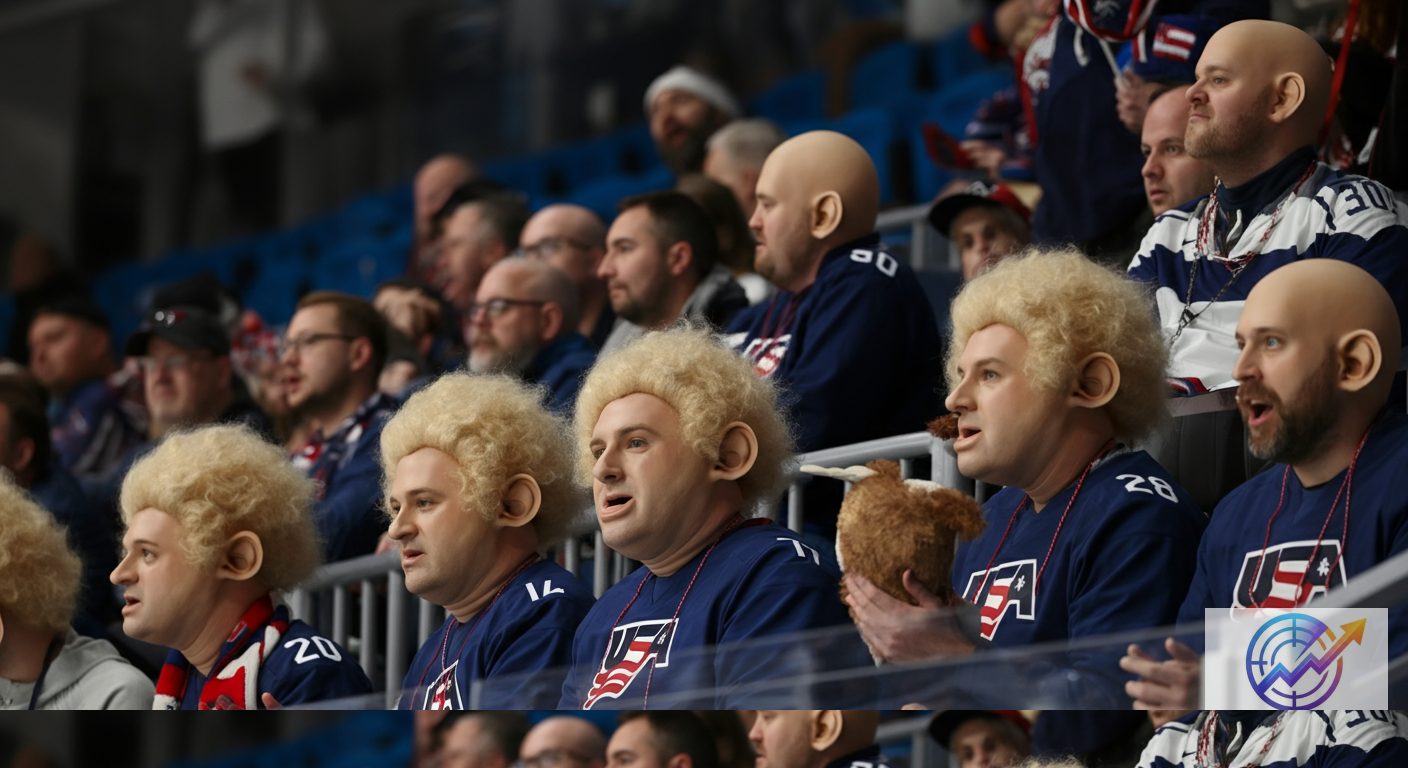
Viral fandom has evolved from spontaneous cheering into a decentralized marketing engine that converts passive viewership into active digital assets. The spectacle surrounding the Winn brothers during the 2026 Winter Olympics—defined by latex bald eagle masks and mullet wigs—is not merely a heartwarming family story; it is a tactical blueprint for scaling niche sports through ironic branding. By hijacking the broadcast frame with high-contrast visual cues, these “spectator-influencers” provide the algorithmic hook necessary to force women’s athletics into the mainstream social feed, effectively lowering the barrier to entry for casual viewers.
The Mechanics of Modern Fandom: The Jumbotron-to-TikTok Pipeline
Intentional, high-visibility support acts as a catalyst for organic digital engagement because it bridges the gap between the stadium and the “second screen.” When the Winn brothers appeared on the Jumbotron at the Milano Santagiulia Ice Hockey Arena, they weren’t just supporting their sister, Haley Winn; they were creating meme-ready templates. This “spectacle-support” model relies on the fact that traditional sports broadcasts are desperate for human-interest “cutaways.” By providing a consistent, recognizable visual identity, the brothers ensured that every time the camera panned to the stands, the content was pre-packaged for social media virality, as seen in coverage from USA Today.
Visual Branding and the Viral “Uniform”
The choice of mullets and bald eagle masks is a sophisticated use of ironic patriotism. These symbols sit at the intersection of traditional “hockey grit” and Gen Z’s preference for the absurd. The mullet is a storied archetype in hockey culture, but when worn as a synchronized “uniform” by three brothers, it transforms from a hairstyle into a brand logo. This aesthetic choice triggers algorithmic success because it is “thumb-stopping”—it forces a scroll-stop through sheer visual dissonance. As noted by Yahoo Sports, the transition from mullet wigs to eagle masks during key game moments provided a narrative arc for the audience to follow, turning a single game into a multi-act digital performance.
Trend Radar Analysis: Niche Support as a Commercial Multiplier
There is a direct correlation between individual fan antics and the rising commercial valuation of women’s athletics. The “Winn Effect” demonstrates that male-centric humor can be used as a Trojan horse to bring new demographics into women’s sports. By using “bro-culture” tropes (mullets, masks, loud cheering) to support a female athlete, the brothers validate the sport for a demographic that historically overlooks it. This drives mass market awareness, which in turn increases the NIL (Name, Image, Likeness) and endorsement potential for athletes like Haley Winn. The brothers are essentially acting as a zero-cost PR firm, as highlighted by their viral presence on X (formerly Twitter).
Behind the Scenes: The “Family-as-Agency” Model
Socially and economically, we are witnessing the rise of the “Family-as-Agency” model. In the creator economy, the athlete is the product, but the family members are the distribution channel. This dynamic shifts the burden of “personality marketing” away from the athlete—who must remain focused on performance—and onto a support unit that can engage in the “clout-chasing” required for modern fame. This is a strategic response to the “boring athlete” problem; while the athlete provides the skill, the family provides the entertainment, creating a holistic brand package that broadcasters like AOL find irresistible.
The Counter-Opinion: The Risk of “Spectacle Over Shadow”
A significant gap in current analysis is the potential for these antics to overshadow the actual athletic achievement. There is a risk that the “viral fan” becomes the story, relegating the elite female athlete to a secondary character in her own career narrative. If the media focus remains on the “Mullet Brothers” rather than Haley Winn’s defensive stats or goal assists, the long-term commercial value for women’s hockey may remain superficial—driven by memes rather than a genuine appreciation for the technicality of the sport.
Bold Prediction
Within the next six months, we will see professional sports teams (specifically in the PWHL and WNBA) begin to artificially seed “super-fan groups” in the stands. These groups will be contracted to wear specific “viral uniforms” designed by marketing agencies to ensure social media pick-up. The “Winn Brothers” model will be industrialized, moving from organic sibling support to a standard line item in sports marketing budgets.
Frequently Asked Questions
Who exactly are the “Mullet Brothers” in the context of USA Hockey?
We define the Mullet Brothers as players like Cole Knuble and Ryan Leonard, who used their distinctive hairstyles and on-ice chemistry to build a massive digital following. They represent a new era of “personality-first” athletes who leverage specific visual trademarks to stand out in a crowded sports landscape.
Why do trends like the mullet resonate so strongly with modern sports fans?
We find that fans gravitate toward these trends because they humanize elite athletes and signal a sense of “unfiltered” fun. The mullet serves as a visual shorthand for a high-octane, rebellious team culture that breaks away from traditional, buttoned-up sports norms.
How can sports organizations foster this type of organic viral fandom?
We recommend providing athletes with the creative freedom to express their personalities rather than forcing manufactured marketing campaigns. By highlighting genuine locker-room bonds and unique traditions, organizations allow fans to feel like they are part of an authentic, exclusive community.
What is the long-term value of a viral moment for an athlete’s personal brand?
We see these moments as the foundation for building a lifelong fan base that follows an athlete from the junior levels to the professional leagues. A viral identity creates immediate name recognition, which we can then leverage into sponsorship opportunities and increased engagement across all digital platforms.
Does viral fandom actually translate into increased merchandise sales?
Yes, we’ve observed that viral trends often lead to a direct spike in “personality-driven” merchandise and higher attendance from younger demographics. When fans feel a personal connection to a player’s specific “vibe,” they are significantly more likely to invest financially in the team’s brand.
Conclusion
We believe the viral success of the Winn brothers demonstrates how authentic, creative family support can bridge the gap between niche sports and mainstream attention. Their lighthearted approach not only celebrated Haley Winn’s achievements but also provided a masterclass in how organic fandom can elevate the profile of women’s hockey on a global stage.
References
- USA Today — Brothers go viral supporting USA women’s hockey player Haley Winn.
- Yahoo Sports — US Olympian Haley Winn’s three brothers go viral for matching looks.
- X (USA TODAY Sports) — Interview with Tommy Winn regarding the brothers’ viral support.
- AOL — Coverage of the Winn brothers’ matching outfits and viral Olympic presence.
Report Inaccuracy
We value accuracy. If you find any inaccurate information, please let us know.